




All creation tells the story of God.
Join with us this Advent as we explore the witness of creation and find in it a reflection of the One who is coming.

Noël — L’étoile
Psaume 95,11–12 : Joie au ciel ! Exulte la terre ! Les masses de la mer mugissent, la campagne tout entière est en fête.
L’incarnation est un événement universel. Nous ne sommes pas les seuls émerveillés. C’est toute la création qui tremble de joie lorsque le Verbe se fait chair. Au-dessus de nous, le ciel se remplit du chant des anges et d’étoiles brillantes. Un bourdonnement cosmique anime l’univers qui exulte.
Noël est une réponse aux pleurs de la création : le Créateur devient une créature, et toutes les choses sont nouvelles.
Prions ensemble : Louez-le, soleil et lune, louez-le, tous les astres de lumière. Louez-le avec vos lèvres; adorez-le avec vos cœurs. À genoux près de la crèche, contemplez-le, émerveillés, notre Créateur.

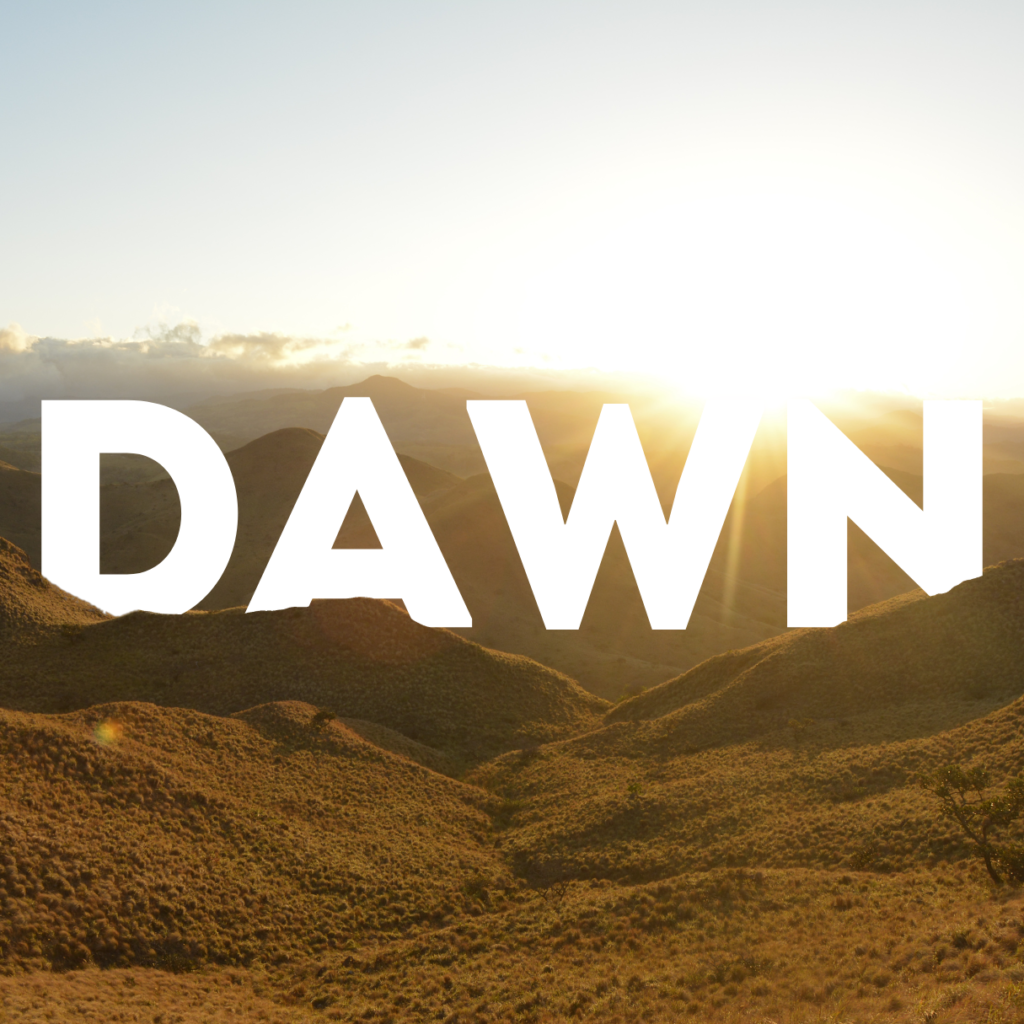
Semaine 4 — L’aube
Luc 1,78–79 : Grâce à la tendresse, à l’amour de notre Dieu, quand nous visite l’astre d’en haut, pour illuminer ceux qui habitent les ténèbres et l’ombre de la mort.
À travers l’histoire, il n’y a jamais eu de moment complètement libre de ténèbres. Même si, individuellement, nous connaissons des moments de paix, il y a toujours quelqu’un qui souffre. La guerre, la maladie, le chagrin et le désespoir ne disparaissent jamais complètement. Mais nous trouvons espoir chez ce témoin de la nuit : l’aube qui jaillit toujours.
Les prophètes ont prédit qu’une grande lumière chasserait les ténèbres. Jésus est l’aube rayonnante illuminant l’histoire. Il est la lumière du monde, et aucune ombre ne lui résiste.
Quelles régions de votre cœur sont assombries? Le Christ ne craint pas les ténèbres, aussi sombres soient-elles. Imaginez qu’il entre dans votre maison avec une lanterne, éclairant doucement ses moindres recoins.
Nous arrivons à la fin de l’Avent. L’aube est à l’horizon.
Le fils arrive.

Semaine 3 — L’eau
Isaïe 35,6-7 : Car l’eau jaillira dans le désert, des torrents dans le pays aride. La terre brûlante se changera en lac, la région de la soif, en eaux jaillissantes.
L’eau est essentielle à la vie. Nous l’avons même cherchée ailleurs dans la galaxie. En effet, pour déterminer si des planètes autres que la Terre sont propices à la vie, nous y cherchons des traces d’eau.
L’eau s’immisce partout dans les Écritures. Au commencement, l’esprit de Dieu planait au-dessus des eaux. Dieu a partagé les eaux de la mer Rouge, fait jaillir de l’eau d’un rocher dans le désert et changé l’eau en vin. Les eaux du fleuve Jourdain sont devenues les premiers fonts baptismaux. Quand Jésus a rencontré la Samaritaine au puits, il lui a promis une eau vive capable d’étancher sa soif.
Comme cette femme, nos âmes sont assoiffées. Nous passons notre vie dans une quête désespérée pour étancher une soif que seul le Christ peut apaiser. C’est lui que nous cherchons. Nous cherchons de l’eau vive.
La belle poésie parlée de Sh’maya évoque cette quête : « Dans ton tâtonnement et tes soupirs, c’est moi que tu cherches. Dans l’amour, la musique, le rythme, le goût.
Dans la chaleur, le besoin et la tendresse… Quand tu cries pour en avoir plus, tu pleures mon nom. C’est moi que tu cherches. »
Alors, cherchez-vous le Christ pour étancher votre soif ou buvez-vous l’eau d’autres « puits »? En temps de crise, où vous tournez-vous en premier? Quelles prières renouvellent votre foi?

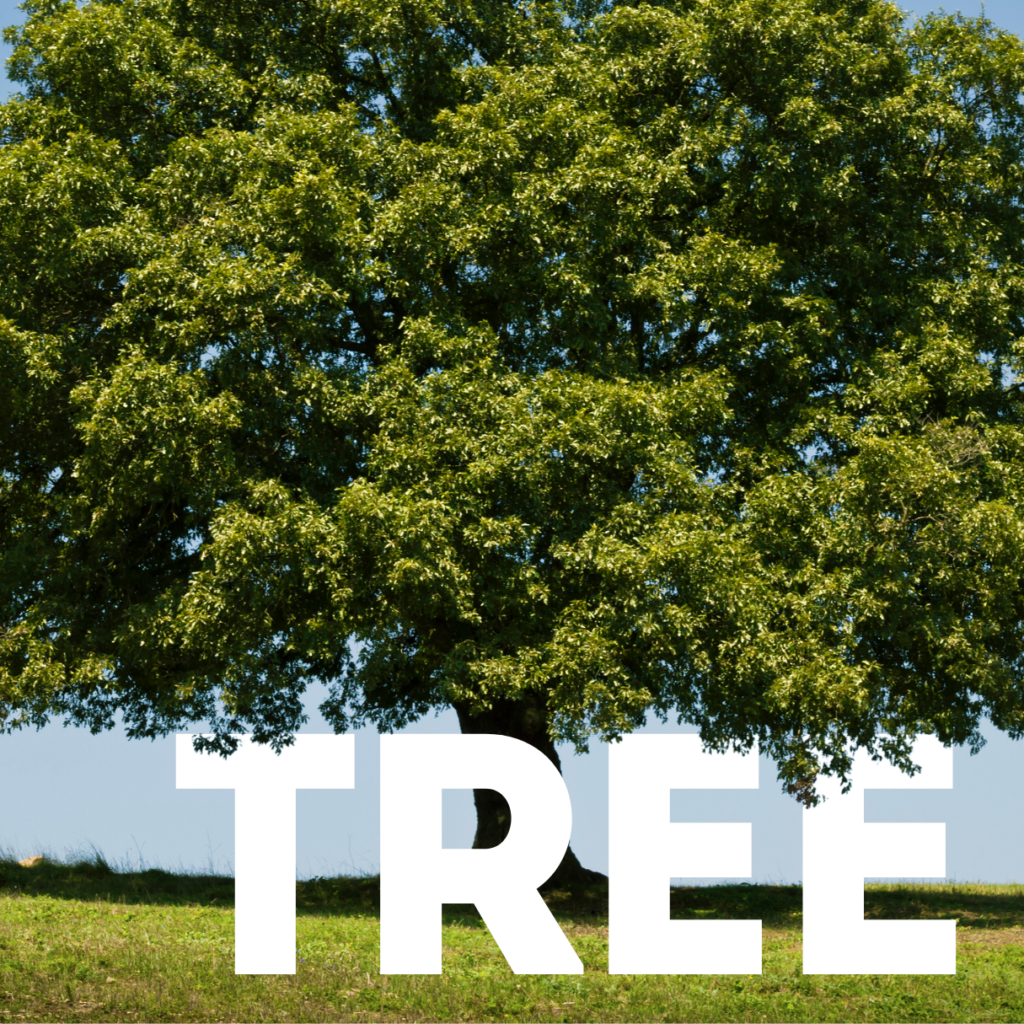
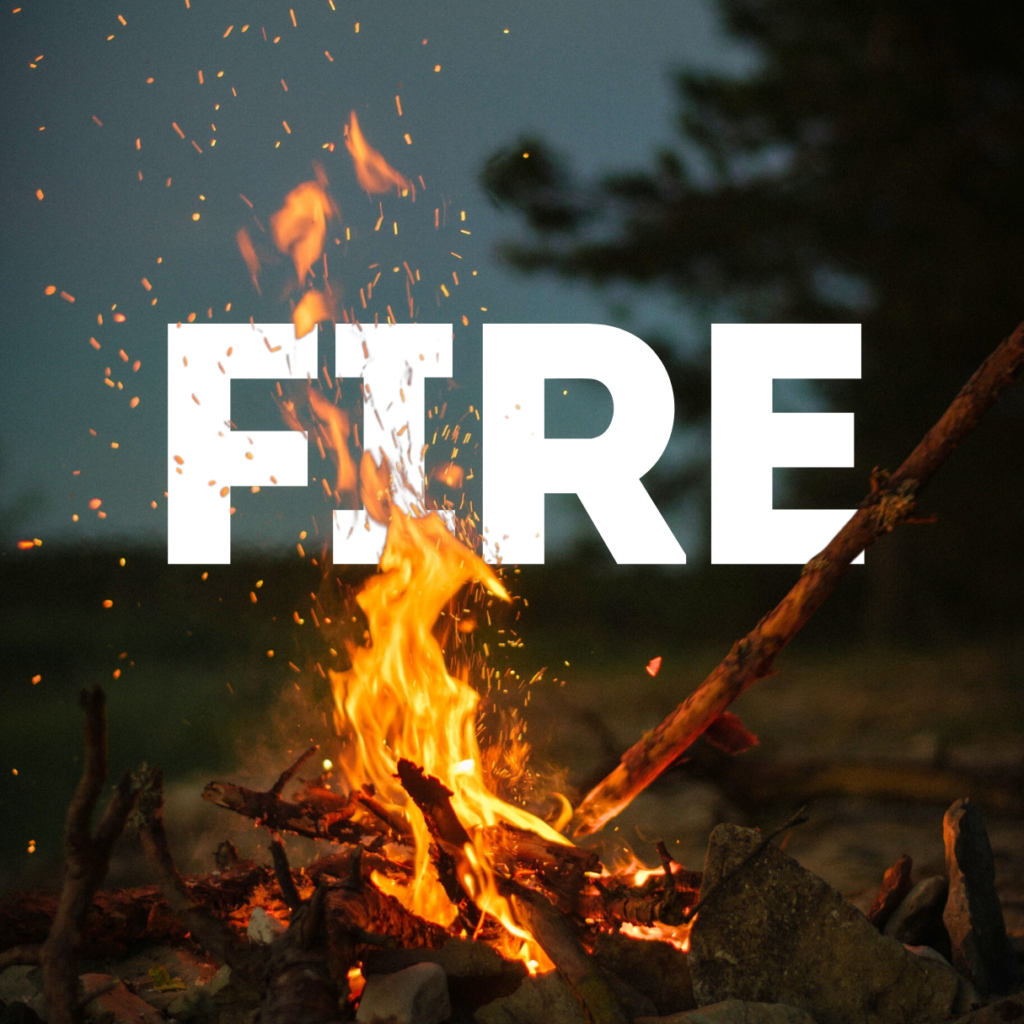
Semaine 2 — L’arbre et le feu
Isaïe 11,1 : Un rameau sortira de la souche de Jessé, père de David, un rejeton jaillira de ses racines.
Combien de fois nous sommes-nous sentis brûlés, réduits à quelques feuilles et racines calcinées? L’histoire est remplie de périodes d’exil, de famines, de morts et de guerres. Malgré tout, elle est traversée d’un courant d’espoir : le Christ, qui fait toutes choses nouvelles.
Aujourd’hui, les incendies de forêt intenses causés par le changement climatique et les activités humaines sont problématiques, alors que le jaillissement du feu renouvelait les milieux naturels par le passé. Pendant des siècles, les peuples autochtones ont utilisé le brûlage dirigé pour stimuler le renouveau de la forêt. Le feu brûle la végétation morte, libérant des nutriments et cédant la place aux nouvelles pousses plus petites.
Cette année, quels aspects de votre vie ont brûlé pour faire germer de nouvelles pousses? Y a-t-il un aspect qui attend encore son renouveau?
Le Christ est la pousse verte qui jaillit des cendres. Il transforme le bois mort de la croix en arbre de vie.
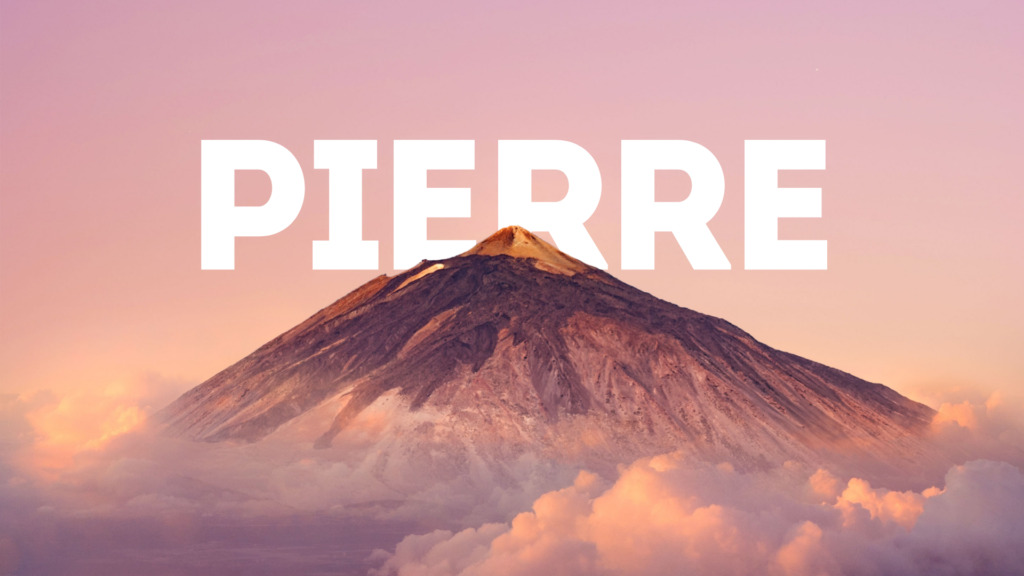
Semaine 1 — La pierre
Isaïe 2,2-3 : Il arrivera dans les derniers jours que la montagne de la Maison du Seigneur se tiendra plus haut que les monts, s’élèvera au-dessus des collines. Vers elle afflueront toutes les nations et viendront des peuples nombreux.

Christmas: Star
Psalm 96:11–12 — “Let the heavens be glad, and let the earth rejoice;
let the sea roar, and all that fills it; let the field exult, and everything in it.”
The Incarnation is a universal event. It is not us alone on our knees; all created order trembles with joy as the Word becomes flesh. Angels flood the sky with song and stars burst forth overhead. We can imagine a cosmic hum as the universe exults.
Christmas is the answer to creation’s groaning: the Creator becomes a creature, and all things are made new.
Together, we pray: Praise him, sun and moon; praise him, all you shining stars. Praise him, our lips, and worship him, o hearts. May we come to our knees beside the manger and behold our Creator with awe.
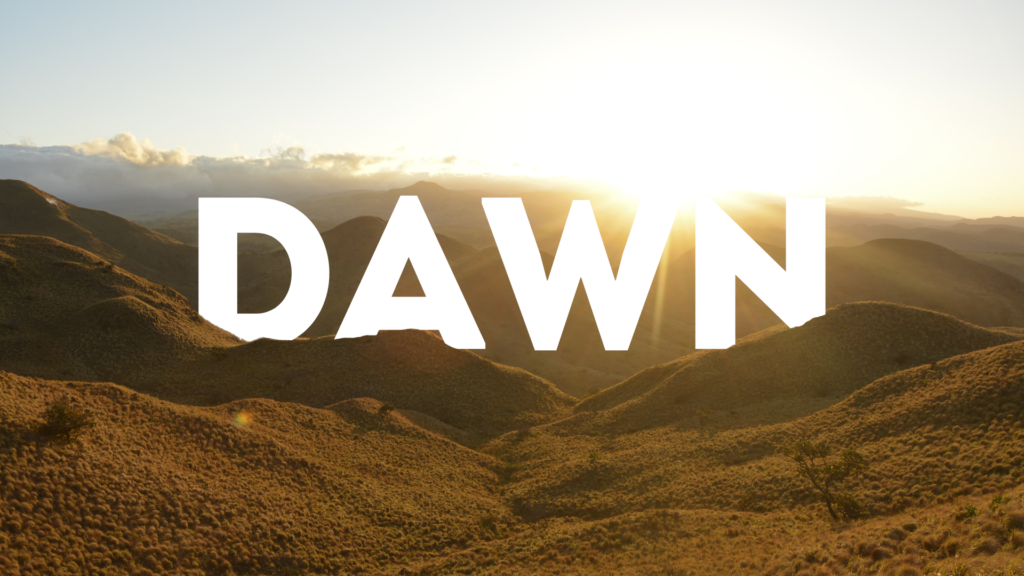
Advent Week 4 — Dawn
Luke 1:78–79 — “By the tender mercy of our God, the dawn from on high shall break upon us,
to shine on those who sit in darkness and in the shadow of death…”
There has never been a period of history without darkness. Though we individually experience periods of peace, there is always someone else undergoing suffering. War, sickness, grief, despair — we are never entirely without it. But we take hope in the witness of the night: dawn always comes.
The prophets foresaw a great light illuminating the darkness. Jesus is the radiant dawn breaking over history. He is the light of the world, and no shadow can overcome him.
What areas of your heart are darkened? Christ isn’t frightened by the darkness, no matter how deep. Imagine him stepping into your home with a lantern, gently lighting up every hidden corner.
We are nearing the end of Advent. Dawn is on the horizon.
The son is coming.
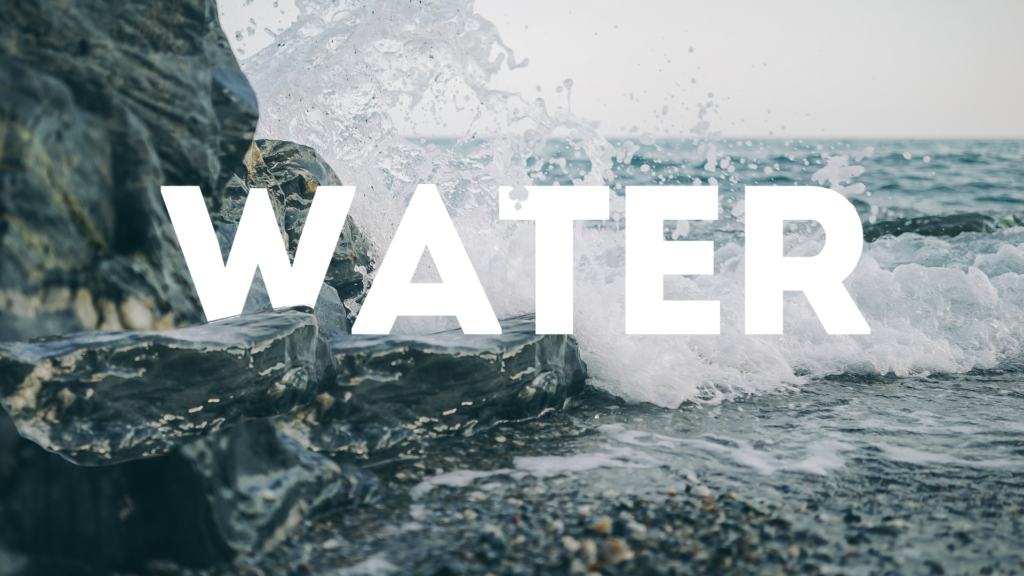
Advent Week 3 — Water
Isaiah 35:6-7 — “For waters shall break forth in the wilderness, and streams in the desert;
the burning sand shall become a pool, and the thirsty ground springs of water.”
Without water, there is no life. We’ve hunted it beyond Earth, extending our search into the galaxy. When we look for planets capable of sustaining life, we look for water.
Water also soaks the scriptures. In the beginning, the Spirit of God hovered over the waters. In times of need, God split the Red Sea, brought water from a desert rock, and turned jars of water into wine. The waters of the Jordan river became the first baptismal font. And when Jesus met the Samaritan woman at the well, he promised a living water that could truly satisfy her thirst.
Like that woman, our souls are parched. We spend our lives desperately trying to quench what can only quenched by Christ. We are seeking him. We are seeking living water.
A beautiful spoken poem by Sh’maya shares, “In the reaching and sighs, you are looking for me. In the love, the music, the beats, the taste, in the heat and the need and the need for embrace … When you cry for more, my name you weep. It is me you seek.”
Are you seeking Christ for refreshment or turning to other “wells”? In distress, what is the first thing you turn to? What kinds of prayer rejuvenate you?
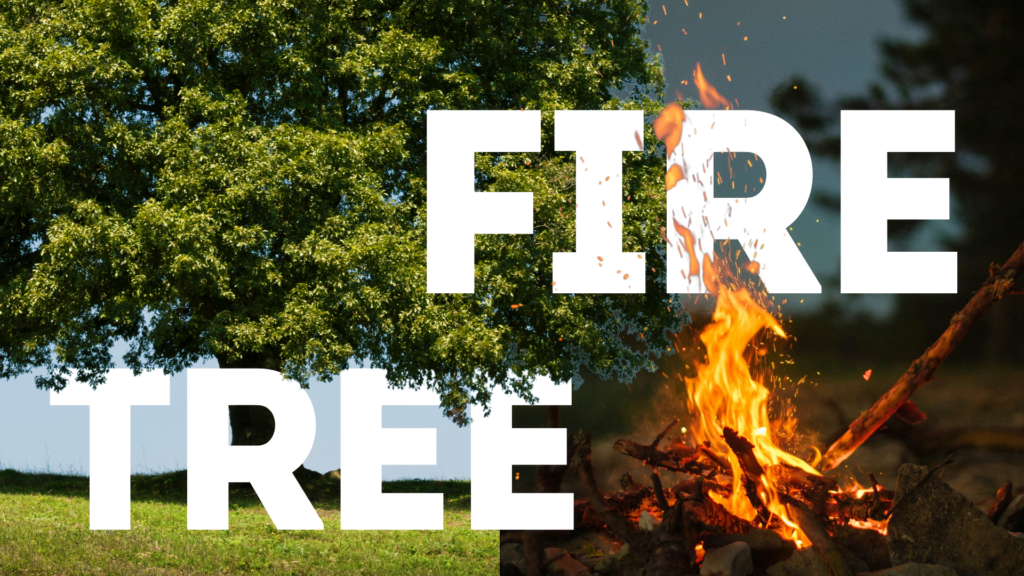
Advent Week 2 — Tree & Fire
Isaiah 11:1 — “A shoot shall sprout from the stump of Jesse, and from his roots a bud shall blossom.”
How many times have we felt burned, reduced to roots and charred leaves? Scripture is littered with periods of exile, famine, death, and war. And yet, a thread of hope runs through all: Christ makes things new.
While modern forest fires pose concerns due to climate change and human practice, historically, fire rejuvenates our natural landscapes. Indigenous peoples have used controlled fires for centuries to encourage new growth. Fire clears out what is dead, makes space for new and smaller organisms, and releases nutrients.
What has Christ allowed to burn in your life this year? Where has he brought forth growth? Is there an area still waiting for new life?
Christ is the green shoot springing from a charred stump. He takes the dead wood of the cross and transforms it into a tree of life.

Advent Week 1 — Rock
Isaiah 2:2–3 — “In days to come the mountain of the Lord’s house shall be established as the highest mountain …
All nations shall stream toward it.”
Mountain rock is heavy with history. It’s weathered centuries, witnessing prophets and prophecy fulfilled. Moses was face to face with God on a mountain and came away bright with his glory. On Mount Moriah, Abraham wept over an altar as his faith was affirmed. Jesus himself carried his cross up the rocks of Calvary.
Stone is durable. Even broken into pavestones, worn down by the feet of saints and sinners alike, it remains sturdy.
As we begin Advent, let us set our feet firmly on the rock of Christ, remembering the weight of history behind us and the hope of future ahead. If things feel unsteady, take heart; he is with you.
Do you carry wounds, joys, or sorrows into this new season? Imagine each as a stone in your arms and place them, one by one, at the feet of Christ.
It is important that your Will include the correct legal name and charitable registration number in your documents. The legal name for the Archdiocese of Ottawa-Cornwall is:
THE ROMAN CATHOLIC EPISCOPAL CORPORATION OF OTTAWA-CORNWALL Charitable Registration # 128967353 RR0001
Your parish office is able provide you with the legal name for your own parish. However, most Archdiocesan parishes and programs can be designated in your Will as:
The Roman Catholic Episcopal Corporation of OTTAWA-CORNWALL, for the benefit of [ Specific Parish, Cemetery, Ministry or Program ] in [ Town / City ].
You may also consider the following clauses in your Will:
For your parish:
“To pay to (Legal Name of Parish) Roman Catholic Parish for its own use absolutely, the sum of (amount) dollars. I declare that the receipt of the person professing to be the Pastor or Parochial Administrator of the parish shall be sufficient discharge to my Trustee who need not see to the application thereof. I further direct that if the (Name of Parish) does not exist at the time of my death, this bequest shall be paid to the Parish’s successor, and if no such successor exists, then to an institution with similar objectives and goals.”
Please email dev@ottawacornwall.ca to make a declaration that you have included the Archdiocese of Ottawa-Cornwall or any for its parishes in your Estate Plans.

Lorem ipsum dolor sit amet, consectetur adipiscing elit. Ut elit tellus, luctus nec ullamcorper mattis, pulvinar dapibus leo.